

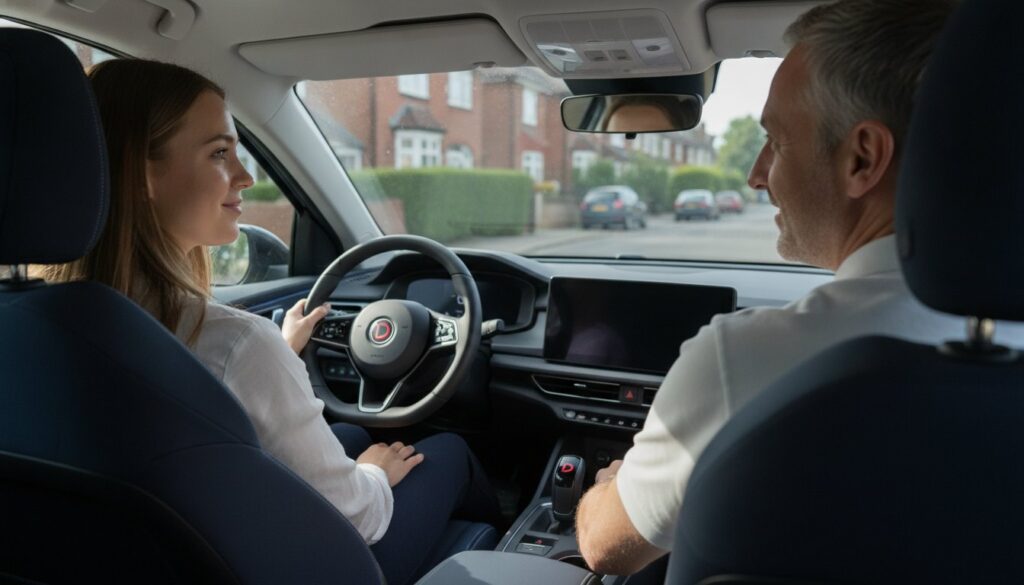
Did you know that by the end of 2026, over 25% of all driving test passes in the UK are predicted to be in automatic vehicles? For decades, the manual gearbox was seen as the only “real” way to drive, but the tide has turned. If you’ve been considering automatic driving lessons, you’re likely looking for a way to bypass the anxiety of stalling at a busy roundabout or fumbling with a heavy clutch. It’s a common frustration that often makes the journey to your licence feel longer and more stressful than it needs to be.
We believe learning to drive should be a milestone you enjoy, not a source of dread. In this guide, you’ll discover why choosing an automatic is the modern choice for a faster, calmer, and more future-proof route to the road. We’ll break down how removing mechanical complexity allows you to focus on safety and road craft, helping you pass your test with confidence. From understanding the shift towards electric cars to mastering test centre preparation, we’ll show you exactly how to secure your freedom without the unnecessary pressure of a gear stick.
Key Takeaways
- Understand why automatic vehicles are becoming the standard for UK drivers and how this choice future-proofs your licence for the electric vehicle era.
- Learn how the simple two-pedal system and ‘P-R-N-D’ controls remove mechanical stress, allowing you to focus entirely on road safety and observation.
- Discover how automatic driving lessons can lead to a faster pass by reducing the average number of hours required to master vehicle control.
- Compare the long-term practicalities of an automatic-only licence against traditional manual routes to determine the best fit for your driving future.
- Identify the specific technical habits and preparation strategies needed to excel during your automatic practical driving test.
Table of Contents
- The Modern Way to Learn: Why Automatic Driving Lessons are Soaring in Popularity
- Mastering the Basics: What Happens During an Automatic Driving Lesson?
- Manual vs Automatic: Making the Right Choice for Your Driving Future
- Road to Success: Preparing for Your Practical Driving Test in an Automatic
- Start Your Journey with Confidence: The Vector Driving School Approach
The Modern Way to Learn: Why Automatic Driving Lessons are Soaring in Popularity
The traditional image of a learner driver often involves a frantic battle with a gear stick and the dreaded sound of a stalling engine at a busy junction. However, the way we move is changing. Choosing automatic driving lessons isn’t just about avoiding a stall; it’s a strategic decision for the modern road. An automatic car uses an automatic transmission to select the correct gear for your speed, completely removing the need for a manual clutch pedal. This shift in technology allows you to focus your full attention on the environment around you rather than the floor of the footwell.
UK car sales show a massive swing toward these vehicles. Most new cars leaving showrooms today are automatic, and this isn’t a passing fad. It’s a practical response to congested city streets and the rapid “EV Revolution.” Since every electric vehicle is classified as an automatic for licensing purposes, learning this way prepares you for the inevitable future of British motoring. By the time you’re looking for your second or third car, manual gearboxes will likely be a rarity on our roads.
The greatest benefit for many students is the reduced cognitive load. By removing the mechanical “busy work” of gear changes, you have more mental space to spot a cyclist emerging from a side road or to anticipate a changing traffic light. This leads to a calmer learning environment where you feel in control from your very first hour behind the wheel. It’s about working smarter, not harder, to achieve your independence.
Breaking the Stigma: Is an Automatic Licence ‘Lesser’?
Some people still cling to the outdated idea that an automatic licence is somehow “lesser” than a manual one. This couldn’t be further from the truth. Modern driving is about efficiency and safety, not mechanical complexity. Professional drivers, from emergency service workers to luxury chauffeurs, often prefer automatics for their reliability and smooth power delivery. It isn’t about being less skilled. It’s about prioritising observation over the repetitive task of moving a lever. In 2026, being a “good driver” means making smart, safe decisions on the road.
Automatic vs Manual: A Quick Comparison
The primary mechanical difference is that a manual transmission requires the driver to manually engage a clutch and select gears, whereas an automatic system handles these transitions through internal hydraulics or electronics.
- Manual: Constant coordination of three pedals and a gear stick is required.
- Automatic: A simple “stop and go” system using just two pedals.
- Manual: High risk of stalling in busy traffic or on steep hills.
- Automatic: Smooth, stall-free pull-aways every time, allowing you to focus on the road ahead.
Mastering the Basics: What Happens During an Automatic Driving Lesson?
Stepping into the driver’s seat for the first time feels far less daunting when you aren’t staring at a complex gear stick. During your first few automatic driving lessons, the focus remains entirely on understanding the vehicle’s simplified controls. The gear selector in an automatic car is remarkably straightforward, typically featuring four main symbols: P, R, N, and D. ‘Park’ (P) safely locks the transmission when you’ve finished your journey; ‘Reverse’ (R) is for backing up; ‘Neutral’ (N) is used for idling; and ‘Drive’ (D) is your primary setting for moving forward. One of the key advantages of automatic driving lessons is this simplified layout, which allows you to spend more time looking at the road and less time looking at your hands.
The most immediate change for many learners is the two-pedal system. Your left foot essentially gets a holiday, resting comfortably on the footrest throughout the drive. Your right foot handles both the accelerator and the brake. This setup eliminates the risk of “pedal confusion” during stressful moments. You’ll also learn about “Creep and Go,” a unique feature where the car moves slowly forward or backward as soon as you release the footbrake in Drive or Reverse. This is incredibly helpful for precise, slow-speed manoeuvres like parking or navigating tight spaces.
Your Very First Lesson: From Cockpit Drill to Moving Off
We begin every journey with the ‘DSSSM’ cockpit drill: checking Doors, Seat, Steering, Seatbelt, and Mirrors. In an automatic, this process is even quicker. Because the car manages the gear changes internally, moving off is as simple as selecting ‘Drive’ and gently releasing the brake. Stalling is virtually impossible, which removes a massive layer of anxiety for new pupils. This allows us to focus on your steering and road positioning right from the start. If you’re ready to experience this calmer way of learning, our first lesson special is the perfect way to begin your journey.
Advanced Automatic Techniques
As you progress, we’ll explore more technical aspects of the vehicle. You’ll master “Kickdown,” which is a technique where you firmly press the accelerator to tell the car’s computer you need a quick burst of power for safe overtaking or merging onto a dual carriageway. We’ll also practice hill starts. Unlike manual cars that can roll back if the clutch isn’t perfect, an automatic vehicle holds its position much more reliably. Finally, we’ll cover managing speed during steep descents, ensuring you remain in total control of the vehicle’s momentum at all times.
Manual vs Automatic: Making the Right Choice for Your Driving Future
Deciding between manual and automatic is one of the most important choices you’ll make at the start of your journey. It’s vital to understand the ‘Licence Restriction’ factor before you book your first session. Passing your test in an automatic car grants you a Category B Auto licence. This allows you to drive any automatic, hybrid, or electric vehicle, but you cannot legally drive a manual car without taking another practical test. For many modern learners, this is a very small trade-off for the increased confidence and ease that automatic driving lessons provide.
The shift in vehicle availability is also a major factor. The second-hand market is currently seeing a surge in automatic hybrids and electric vehicles (EVs). These cars are becoming the standard choice for new drivers who want a reliable, modern vehicle that is easy to manage in heavy traffic. Choosing an automatic now means you won’t have to “re-learn” how to drive when you eventually make the jump to an electric car.
The True Cost of Learning
You might notice that hourly rates for automatic tuition are often slightly higher than manual. This reflects the higher purchase and maintenance costs of modern automatic vehicles. However, looking at the hourly rate alone doesn’t tell the full story. Many students find they reach test standard in significantly fewer hours because they don’t have to spend weeks mastering complex clutch control. While a manual learner might typically require 45 hours of professional tuition, an automatic student often reaches the same standard in 30 to 40 hours.
To make your journey more cost-effective, we offer Block Booking Discounts. This allows you to commit to a structured learning path whilst reducing the overall price per hour. On average, most learners require roughly ten fewer hours of professional instruction when choosing an automatic transmission over a manual one.
Future-Proofing Your Licence
The automotive landscape is shifting rapidly. With the UK government’s plan to phase out new petrol and diesel cars by 2035, the manual gearbox is quickly becoming a relic of the past. Electric vehicles and hybrids are almost exclusively automatic by design. By learning in an automatic car now, you’re aligning yourself with the long-term future of British motoring.
Resale values and popularity are also trending in one direction. Modern automatics are highly sought after, and most new drivers will likely never need to operate a manual gear stick in their entire lifetime. Choosing an automatic isn’t just the easier path for today; it’s a logical, forward-thinking choice for your driving future.
Road to Success: Preparing for Your Practical Driving Test in an Automatic
The final step to gaining your independence is the DVSA practical driving test. While the requirements for safety and road awareness are identical to manual exams, automatic driving lessons give you a distinct advantage during the 40 minute session. Examiners aren’t looking for mechanical mastery; they want to see that you’re a safe, observant, and predictable driver. Because you don’t have to worry about gear selection or stalling at a busy junction, you can dedicate your full mental energy to scanning for hazards and following sat-nav directions accurately.
A common pitfall during an automatic test is forgetting to secure the car properly when stopped for long periods. You must demonstrate that you know when to use ‘Neutral’ or ‘Park’ alongside the handbrake to keep the vehicle stable. However, the simplicity of the car makes manoeuvres like parallel parking or reversing into a bay much more manageable. You can use the car’s natural “creep” to move at a snail’s pace, allowing you to focus entirely on your mirrors and blind-spot checks without the fear of the engine cutting out at a critical moment.
Nerves play a huge role on test day. Many students find that the streamlined nature of an automatic vehicle helps them stay composed. If you’re asked to pull over and move off again, there’s no frantic balancing of the clutch. You simply check your surroundings, select ‘Drive’, and go. This reliability builds a sense of quiet confidence that often leads to a much smoother drive and a better result.
Test Centre Preparation and Mock Tests
Success often comes down to familiarity. It’s essential to practice on the specific roads and junctions surrounding your local hub. We specialise in Driving Test Centre Preparation, ensuring you understand the unique challenges of nearby roundabouts and high-speed merges. Mock tests are a vital part of this process. They simulate the exact pressure of the real exam, helping us identify any ‘serious’ or ‘dangerous’ faults in a safe environment. Correcting these minor habits early ensures you’re fully prepared when the examiner picks up their tablet.
The ‘Show Me, Tell Me’ Questions
At the start of your test, you’ll be asked two vehicle safety questions. The ‘tell me’ part happens before you start the engine, covering topics like tyre pressures or how to check the engine oil. During the drive, the examiner will ask a ‘show me’ question, such as demonstrating how to wash the windscreen or operate the demisters. In an automatic, these tasks are much easier to perform safely whilst maintaining your steering and speed, as you aren’t trying to juggle gear changes at the same time.
Start Your Journey with Confidence: The Vector Driving School Approach
Choosing where to take your automatic driving lessons is a decision that shapes your entire experience behind the wheel. At Vector Driving School, we move away from the high-pressure environment often found in traditional instruction. Our “Patient Mentor” philosophy is built on the belief that a calm, supportive atmosphere is the most effective way to learn. We understand that every student carries their own set of anxieties. Our instructors are trained to listen, adapt, and provide a steady hand, ensuring you feel seen and understood throughout your journey to independence.
Every learner is unique. This is why we provide tailored one-to-one tuition that progresses at a pace specifically suited to your individual needs. We don’t believe in a one-size-fits-all curriculum. If you need extra time mastering a specific junction or feel ready to move onto dual carriageways sooner, we adjust our lesson plans accordingly. This personalised structure ensures you never feel rushed or held back, creating a logical pathway from your very first session to a successful driving test.
Value and transparency are core to our service. We recognise that learning to drive is a significant investment. To help manage the cost, we offer Block Booking Discounts that reward your commitment with a reduced hourly rate. This approach allows us to map out a clear, long-term plan for your success while providing a more cost-effective route to your licence. Our commitment doesn’t end with general tuition; we provide specialised Driving Test Centre Preparation to ensure you’re familiar with local routes and examiner expectations.
Why Choose a Specialist Automatic School?
We focus exclusively on automatic vehicles. This means our instructors are specialists rather than generalists, possessing a deep understanding of automatic vehicle dynamics and the latest driver-assist technologies. Our fleet consists of modern, well-maintained cars equipped with the latest safety features to provide a reliable and comfortable environment. We aren’t just teaching you how to pass a test. We’re building the long-term confidence you need to navigate the roads safely for the rest of your life.
Take the First Step Today
Starting your journey shouldn’t feel overwhelming. To help you get a feel for our teaching style and the comfort of our vehicles, we offer a dedicated First Lesson Special for all new learners. Booking your first session is a simple process. All you need to bring is your provisional driving licence and a pair of comfortable, flat shoes. We’ll handle the rest, guiding you through the basics in a quiet, controlled area where you can build your confidence without distraction.
Ready to start? Book your first automatic driving lesson with Vector Driving School today!
Secure Your Freedom on the Modern Road
The transition to electric vehicles and the increasing congestion on UK streets make the choice for new drivers clear. By opting for automatic driving lessons, you’re choosing a strategic path that aligns with the future of British motoring. Removing the complexity of gear coordination allows you to focus on what really matters: your safety and your confidence. Whether it’s mastering local test routes or building your skills from scratch, the right support makes every mile feel achievable. You don’t have to struggle with a clutch to become a proficient, safe driver.
Vector Driving School is here to be your trusted guide. With our exclusively automatic fleet and expert patient instructors, we ensure your journey is as smooth as the cars we drive. We’re committed to your success through specialised test centre preparation and cost-effective block booking discounts. There’s no need to let the fear of stalling hold you back any longer. We provide the calm environment you need to thrive.
Book your first automatic driving lesson and claim our First Lesson Special
Your journey to a full UK licence starts with a single, stress-free step. We look forward to helping you gain your independence and seeing you succeed on test day.
Frequently Asked Questions
Can I drive a manual car if I pass my test in an automatic?
No, you cannot legally drive a manual car if you pass your test in an automatic. Your driving licence will be restricted to Category B Auto vehicles only. If you decide you want to drive a manual vehicle in the future, you’ll need to apply for a new provisional licence and pass a separate manual practical test. Many drivers find this restriction isn’t an issue given the rapid shift toward electric cars.
Are automatic driving lessons more expensive than manual ones?
Hourly rates for automatic driving lessons are typically slightly higher than manual sessions. This price difference reflects the higher purchase and maintenance costs of modern automatic vehicles. However, it’s important to look at the total investment. Because most students reach test standard in fewer hours by removing the need for clutch control, the overall cost of obtaining your licence is often very similar to the manual route.
Is it easier to pass the driving test in an automatic car?
Passing is often considered more straightforward because the mechanical burden of gear changes is removed. You don’t have to worry about stalling or finding the “biting point” at busy junctions, which are common sources of anxiety and minor faults. While the examiner’s expectations for road safety and observation remain exactly the same as a manual test, the simplified controls allow you to focus more clearly on your surroundings.
How many automatic driving lessons will I need to pass?
Most students require between 30 and 40 hours of professional tuition to reach the required standard for a driving test. This is generally less than the 45 hours of professional instruction often recommended for manual learners. Your individual progress will depend on your previous experience and how quickly you build confidence. We focus on efficient, structured progress to ensure you’re ready for your test as quickly as possible.
Can I switch from manual to automatic lessons if I’m struggling?
Yes, you can switch to automatic driving lessons at any point in your journey. Many learners find that the coordination required for manual gears distracts them from learning road craft. Moving to an automatic often provides an immediate boost in confidence and reduces the stress of your sessions. It’s a very common choice for students who want to enjoy a calmer and more successful learning experience.
Are automatic cars safer for new drivers?
Automatic cars can be safer for new drivers because they significantly reduce the cognitive load. By removing the need to manage a clutch and gear stick, you have more mental capacity to scan for hazards and anticipate the actions of other road users. This increased focus on the environment rather than the vehicle’s mechanics often leads to better decision-making and a more composed driving style during your lessons.
What happens if I stall an automatic car during my test?
Stalling an automatic car is virtually impossible under normal driving conditions. If the engine does cut out due to a rare mechanical fault or a specific error, it isn’t an automatic fail. The examiner will assess how you deal with the situation and whether you restart the car safely without losing control. Because the car manages the power delivery, you can pull away smoothly without the fear of the engine dying.
Will my insurance be more expensive with an automatic licence?
Insurance for those with an automatic-only licence can sometimes be slightly higher, but the gap is narrowing as these vehicles become the standard. Your premium is influenced much more by your age, your postcode, and the specific car you choose to drive. As the UK moves toward a future of electric and hybrid vehicles, the insurance market is constantly adapting to the growing number of automatic drivers.